Electronics
PCB design, sensors, radar and stimulation circuits, prototype to production.
IoT, hardware & embedded · Nitish Arora
Few people can take a device from circuit board to app store. I co-founded Phyzio, a pain-relief wearable, and led the tech for SleepDoc+, a radar sleep monitor that won the grand prize at the first Accenture Innovation Challenge.
What you get
PCB design, sensors, radar and stimulation circuits, prototype to production.
STM32, Nordic BLE, TI CC3200 and ESP32 firmware with real-time control and sensor fusion.
FFT, filtering and machine learning on sensor data, on the device or in the cloud.
iOS and Android apps that pair over Bluetooth and turn data into something people use.
Device data pipelines, dashboards and alerts on AWS.
Experience building medical-adjacent products and the evidence they need.
Proof
My roleTech Lead (Phyzio × mBreath)
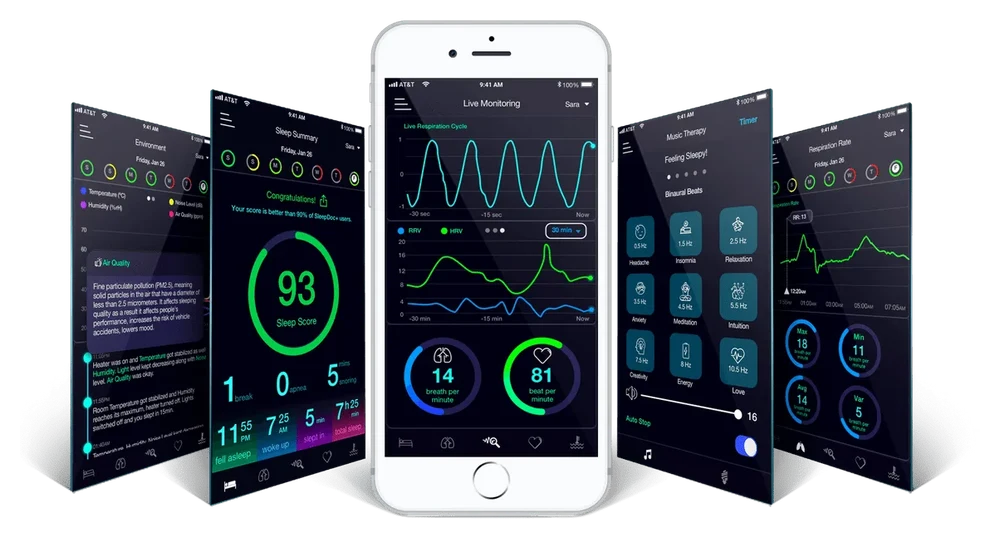
Contactless radar that screens for sleep apnea.
Featured in Accenture Newsroom · The Times of India · NDTV Education · The Tribune · CIOL · DQ Channels · BioSpectrum India · EducationWorld · Enterprise IT World
UWB radar sensing, STM32 and TI CC3200 firmware, FFT signal processing, sleep staging with TensorFlow and the companion app, across 1,000+ data points.
My roleCo-founder & Tech Lead
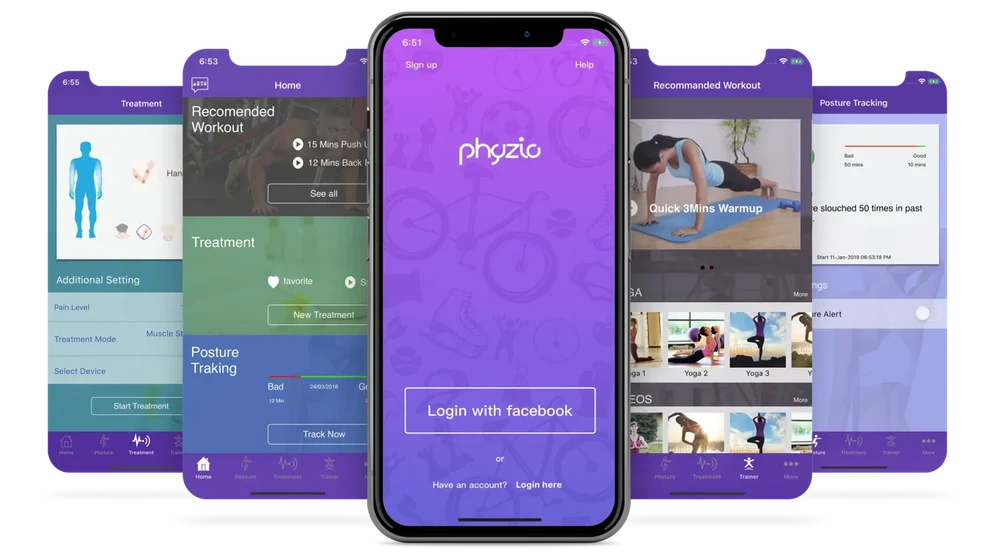
A wearable that relieves pain and fixes posture.
Featured in NS Business · MedX Tech
The device electronics and firmware, the iOS and Android apps with personalised therapy programmes, and the cloud behind them.
In the press
FAQ
Yes. Phyzio and SleepDoc+ were built across every layer: electronics, firmware, mobile apps and cloud.
I've built a pain-relief wearable and a sleep apnea screening device. Formal regulatory approval needs specialist partners, and I work alongside them.
Other services: